You shouldn't become a designer.
A few reasons why being a “designer” in any sense is a terrible idea in 2024.
As of this year, I would confidently be able to say I’ve been working as a designer (in a variety of different capacities) for about 15 years. During that time, I’ve gone from being a founding designer, a design leader, and a high level individual contributor at quite a few organizations. I’ve seen some succeed in an incredulous manner, some fail crushingly, and some just “figure it out” at a steady pace. And the thing is, I’ve been periodically asking myself the same question throughout:
“Do I even still want to be a designer?”
And ultimately, I come back to the answer of: Yes—but the reason always changes. Because of that, I think those reasons have helped to inform a few “whys” that I think are important to know if you decide to embark on quite an unclear career path like this one.
So here are some reasons why I wish I hadn’t become a designer:
1. Much of the time, design is not creative.
I’ve always been into graphic design, digital design, digital art, web design, yadda yadda yadda… If you do some digging, you’ll see artifacts of myself from different times, when I dabbled in almost every niche within design I could possibly throw myself into. The reason? I loved to create, and I loved to be inspired.
For a lot of younger people, design is probably intriguing because of this notion of “expressing yourself creatively”. It feels like an attractive option to be able to flex your creative muscles, create some work you’re proud of (often visually motivated), and be able to say: “that’s something I made!” after it all.
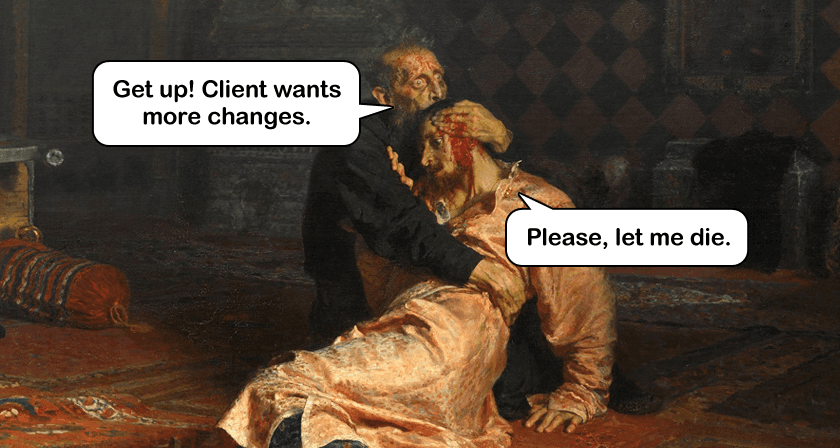
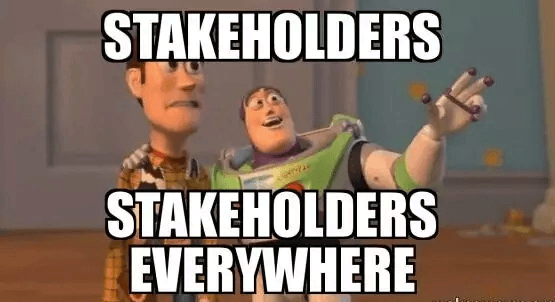
This isn’t to say that you won’t have glimpses of these moments—it’s just that they’re far and few compared to the day-to-day drudgery work you might end up doing. Design is much of the time a problem-solving exercise, no matter the focus. As a graphic designer, you’ll spend more time trying to figure out how to execute on a strategy from a marketing partner. As a web designer, you’ll have to spend a lot more time with developer alignment and handoff. As a product designer, you’ll have cross-functional stakeholders who have strong convictions on how a problem should be answered. And all of these problems have probably been answered by someone in a some way in the index of endless output of ideas that we call the internet.
You’ll spend less time being “creative” from your conventional understanding of the word and look for ways to solve problems while dealing with constraints. If you want to be creative and expressive, I’d look into going into content creation or a form of traditional art.
2. For most people, design is not lucrative.
I don’t think people get into creative fields thinking they’re going to make a ton of money, but it’s probably important to know that as you get older and life starts to move at a different pace, more money will become a priority.
I personally didn’t get into the field expecting to make what I make now, and I’m incredibly blessed that I’ve been given the opportunities to do so. I was fully expecting to live a simple life making $60-$80k a year when I was younger and more naive, but no matter how optimistic you are… eventually reality hits.
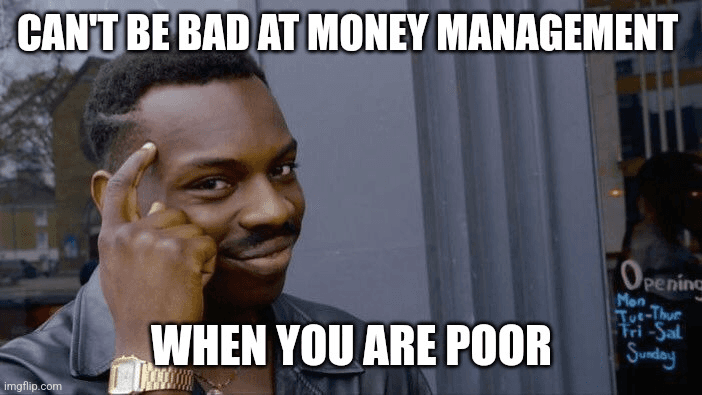
If you’ve ever wanted to own a home, have children, get married—understand the tradeoffs you’re making by picking this field.
Design is demanding, often requiring its admirers to sacrifice times, relationships, and headspace for a non-guaranteed promise of success. Agency life brings overtime, stress, and short turnarounds. In-house work is draining, political, and creatively limiting. And freelance? That’s a different animal on its own that wants every essence of you.
3. Design careers are less about craft, more about relationships.
And for my third and final point… you’ll soon come to realize that to excel in this path, you have to learn how to “play the game”.
Office politics is unfortunately what fuels success in all careers, and design is no exception. I once foolishly believed that I could win the world with just my talent and hard work, but I saw my peers move faster and farther by making the right relationships, constantly shooting their shots, and focusing on being opportunistic. It was a painful experience that took me way too long to learn, and I was well into my late twenties by the time this truth sunk in.
I do a lot better nowadays, but it took a lot of focus and determination… along with kind hearts, good coffee, and insightful conversation.
What drove my career to this point was less about my deep understanding of Figma, building products, and creative tools, but the value and relationship I was able to create with the people who were influential near me.
Okay, I get it... So what?
Well, if I didn’t deter you with all that—congratulations! You’ve fallen into the trap of love for design, like I foolishly had 15 years ago. But fret not, I have some good news.
If you still are interested, it probably means you genuinely care about the work you do and you have a passion for crafting and building things. Your interest in this field is less about the clout or money and probably more towards the craft of it.
So here’s the advice I have for a fellow (and maybe younger?) artisan. Love the craft. Keep sharp and constantly keep learning. The ones who continue to learn are the ones who continue to grow. Humility will be the backbone of your growth, as you’ll always be looking to learn from every opportunity. While others hoard money and influence, you’ll become insanely valuable by becoming wealthy in knowledge.
With that, I wish you the best of luck. Give it your all, create some awesome shit, and take advantage of every opportunity you have to prove that you’re a real one. Make it a mission to show everybody what a real designer looks like—what a real craftsman is.






Thanks for coming by.
See you around.
©2018—2026
Selected Works / Eric Sin